Did you know that nearly 1 in 8 people worldwide struggle with a vitamin D deficiency?
Vitamin D isn’t just another nutrient, but a superhero for your body as it plays a crucial role in bone health, immune function, and even mood regulation to say the least.
If you’ve read some of my other posts, you may know I learned about the importance of vitamin D the hard way.
A few years back, I was constantly feeling tired, experiencing random muscle aches, and just couldn’t shake off the seasonal lows.
Who would’ve thought something as simple as a nutrient could have such a massive impact on how you feel?
While sunlight is the most known vitamin D source, what you put on your plate can make a massive difference in how you feel. Trust me, I’ve spent countless hours researching and experimenting with different foods to boost my vitamin D levels naturally.
It’s easy to put your symptoms in on Google only to be told that you’re not going to make it past next week! Fear not – most things are solvable and I’m going to share my findings and what has worked for me.
Vitamin D Does More Than You Think
Vitamin D is like the Swiss Army knife of nutrients. It’s not just some random vitamin you can ignore as it’s a critical player in your body’s complex system. This nutrient does way more than support your bone health and moods, though those are important.
Vitamin D fulfills a large list of functions so here are some examples of what it supports:
- Vitamin D helps your body absorb calcium more effectively
- It plays a massive role in supporting your immune system
- Regulates mood and can help fight off depression
- Supports muscle function and reduces inflammation
- Potentially helps prevent certain chronic diseases
When I first started diving deep into wellness, I was shocked to learn how many health issues can be traced back to low vitamin D levels.
Do you constantly feel tired, face mood swings, have the feeling of weak muscles, or are you fatigued?

These could all be signs that your vitamin D is running low.
The crazy part about Vitamin D is that many people are deficient and don’t even know it. Especially if you live in areas with less sunlight or spend most of your time indoors (hello, my fellow corporate desk jockeys), you’re at higher risk of not getting enough of this crucial nutrient.
Mushrooms: The Surprising Vitamin D Powerhouse
Okay, what did you think I was going to mention first? I bet you weren’t thinking of mushrooms!
These funky fungi are like nature’s little vitamin D factories. You’ll see what I mean by that in just a moment.
Not all mushrooms are created equal, though. Some are vitamin D duds, while others are absolute nutritional winners.
Here’s the wild science behind it: mushrooms can produce vitamin D when exposed to UV light, just like human skin! It’s like they have a built-in sunlight conversion system.
Specifically, look for UV-exposed mushrooms or varieties like shiitake and maitake which are known for higher vitamin D content.
If you can, leave your mushrooms out in direct sunlight for about 15-20 minutes before cooking. This simple trick can dramatically increase their vitamin D levels. I know this sounds way too good to be true and I’d be lying if I didn’t have some serious doubts. However, this is well documented to increase vitamin d2 content in mushrooms!
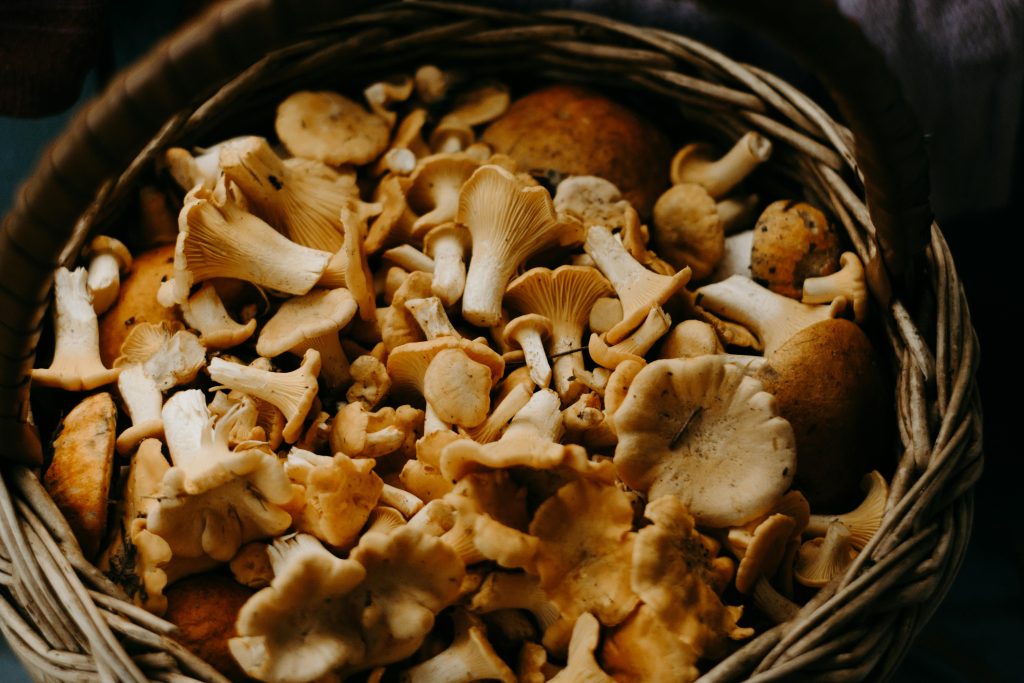
Here are some of my favourite ways to get these vitamin D mushrooms into my diet:
- Used as a pizza topping
- Sautéed in garlic as a side dish
- Chopped finely into a stir-fry
- Blended into soups
- Added to savoury breakfasts
Fortified Foods: Hidden Vitamin D Sources
To be completely transparent, fortified foods used to sound like some weird scientific crap to me. You can blame my ignorance or lack of knowledge on that.
What the heck does “fortified” even mean? Turns out, it’s actually a pretty genius way of sneaking extra nutrients into foods we already have and enjoy.
When I first started my wellness journey, I was caught off-guard by how many everyday foods get a vitamin D boost. Certain non-dairy milks are absolute nutritional goldmines! Brands like Silk and Oatly (this isn’t a sponsored post) often fortify their milk alternatives with vitamin D, giving you up to 25% of your daily recommended intake in just one cup.
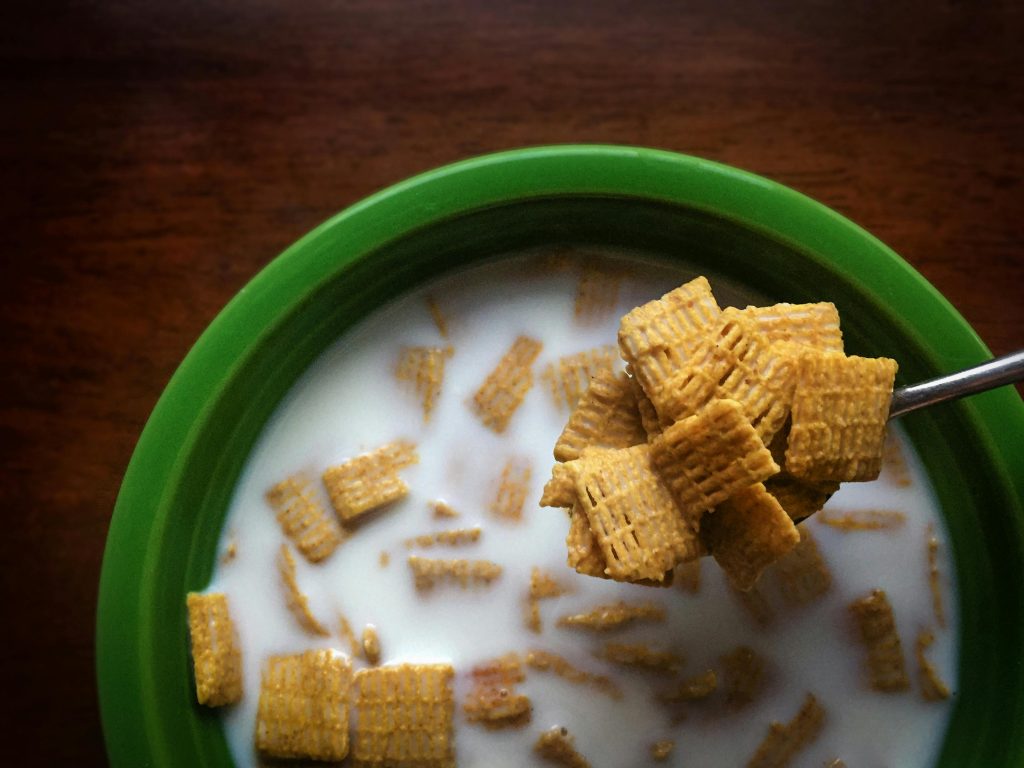
Here’s a pro tip I’ve learned through tons of label reading: not all fortified foods are created equal. Always check the nutrition label! Although I’m not a major fan of store-bought cereals, some cereals can pack a serious vitamin D punch:
- Look for cereals specifically labelled as vitamin D-fortified
- Check the percentage of daily value on the label
- Compare different brands for maximum nutrition
The trick is to be strategic. I used to just randomly grab whatever was on the shelf, but now I’m significantly more aware of ingredients, and nutritional information as I’ve read enough labels and maximise my nutrient intake.
Nutritional Yeast: The Nutrient-Dense Vitamin D Boost
Nutritional yeast might sound like something only well-seasoned (pun not intended) health nuts know about, but trust me, it’s a total game-changer. I discovered this cheesy-tasting yet flaky substance a few years ago, and it’s been a total nutrition revolution in my kitchen.
First off, it tastes amazing – kind of nutty and cheesy, which is perfect for someone trying to add cheesy flavour to their dishes.
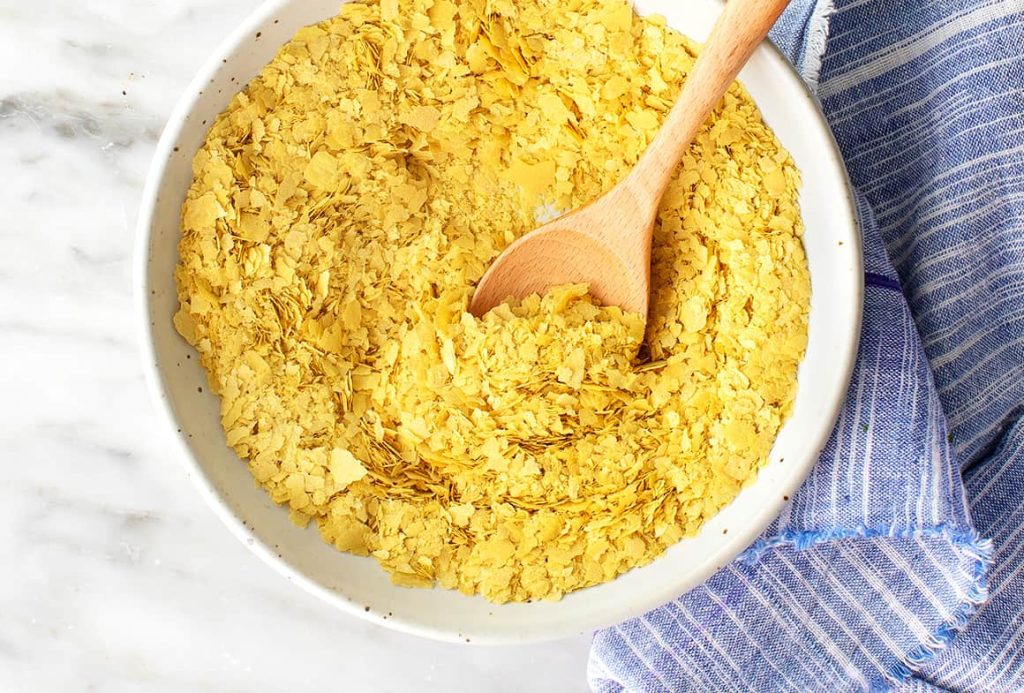
Many brands fortify nutritional yeast with vitamin D, giving you a serious nutritional boost without any weird aftertaste.
My favourite ways to use nutritional yeast:
- Sprinkled on popcorn
- Mixed into scrambled dishes
- Used as a cheese substitute in sauces
- Stirred into soups for extra flavour and nutrition
Through countless experiments in the kitchen and as mentioned above, not all things are created equal. Some brands of nutritional yeast are way more nutrient-dense than others. Always check the label and look for fortified versions.
Almond Butter and Fortified Alternatives
I’m slightly obsessed with almond butter. It’s like peanut butter’s sophisticated cousin.
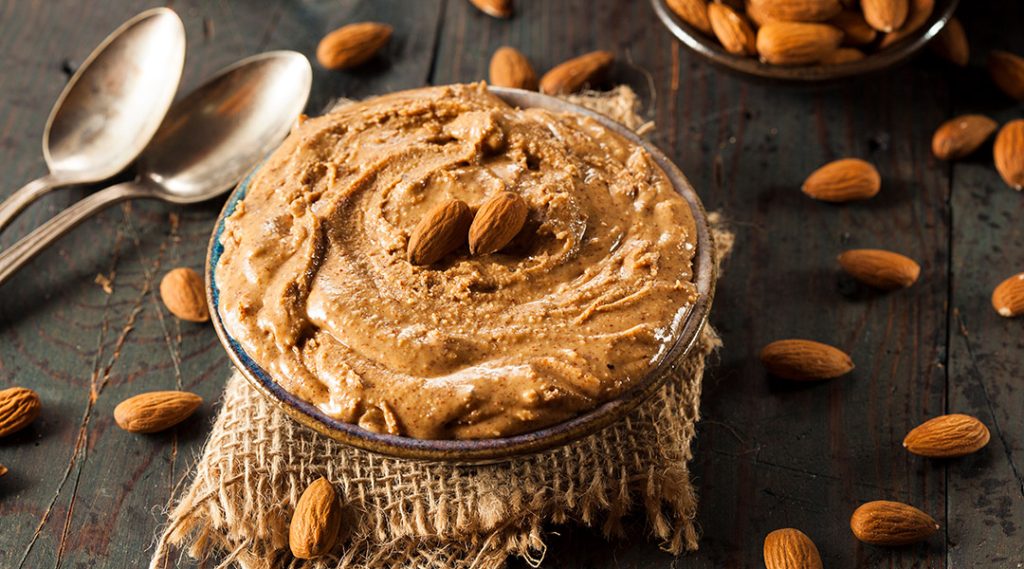
While it’s not naturally super high in vitamin D, some brands are getting pretty clued up about fortification.
The key is understanding what you’re buying. Some brands are now adding vitamin D during processing, turning this already delicious spread into some more nutritious.
Quick nutrition hack I’ve perfected:
- Choose brands that specifically mention vitamin D fortification
- Look for versions with minimal added ingredients
- Consider brands that use natural fortification processes
Sunflower Seeds: A Nutrient-Dense Vitamin D Option
Sunflower seeds are like the unsung heroes of the nutrition world. These tiny seeds are packed with more nutrients than most people realise.
While they’re not the absolute highest in vitamin D, they’re still a solid addition to your diet.
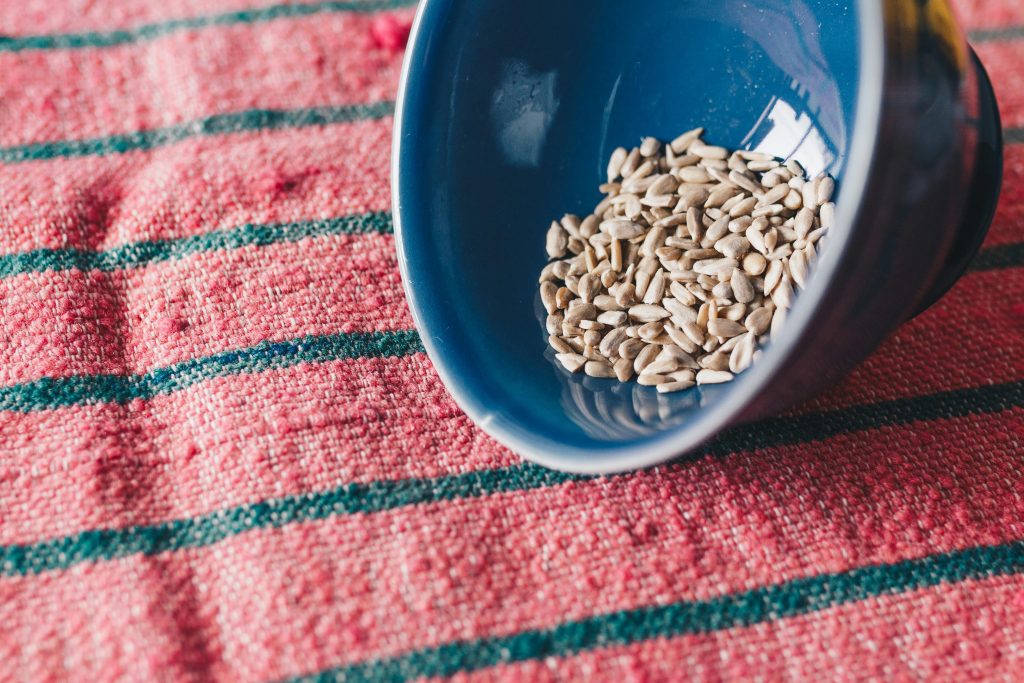
I started keeping a small container of sunflower seeds in my kitchen cupboards as a healthy snack, and it’s slowly my go-to snack. If you know me personally, you know I can’t have bland foods so these need to be salted at the very least!
Sunflower seeds are versatile, crunchy, and surprisingly nutritious so here are some ways to incorporate them into your diet:
- Sprinkle on salads
- Mix into morning oats (the unsalted ones, of course)
- Use as a topping for smoothie bowls
- Blend into homemade energy bars
- Eat as a standalone snack
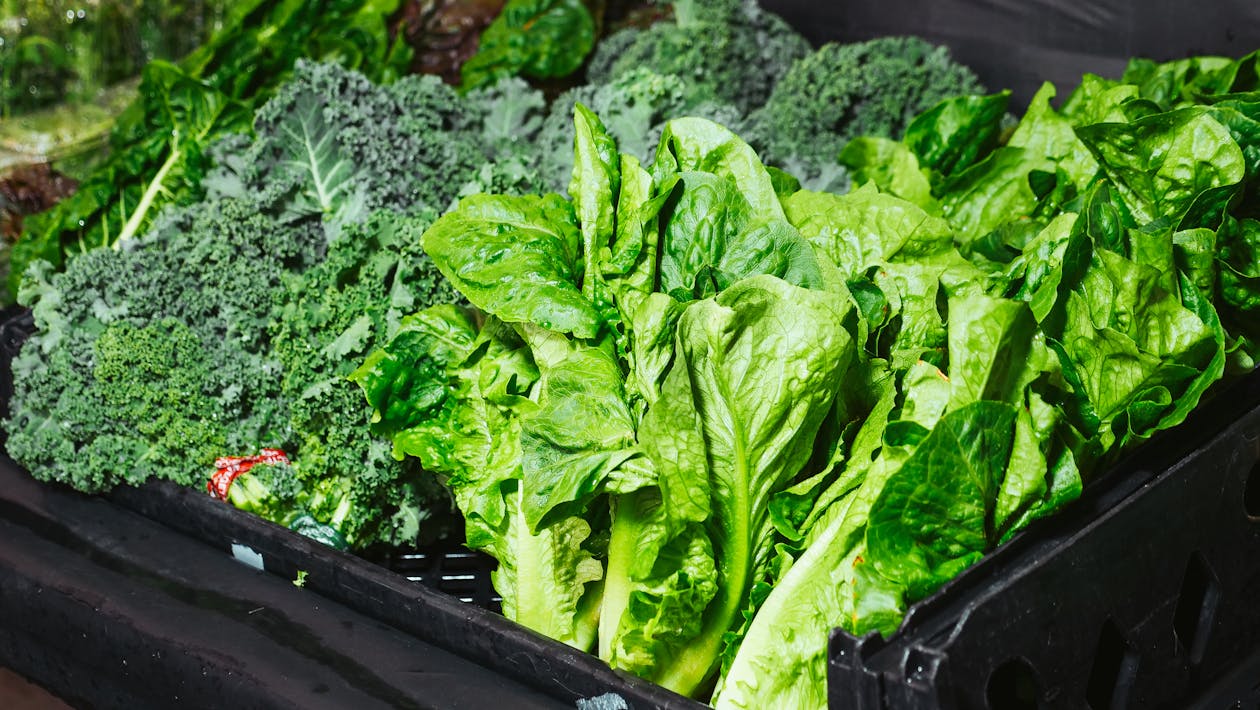
Hidden Gems: Spinach & Kale
I used to think these leafy greens were just about iron and fibre, but there’s so much more to them than that.
While spinach and kale aren’t ranked the highest in vitamin D, they’re nutritional powerhouses that can contribute to your overall intake.
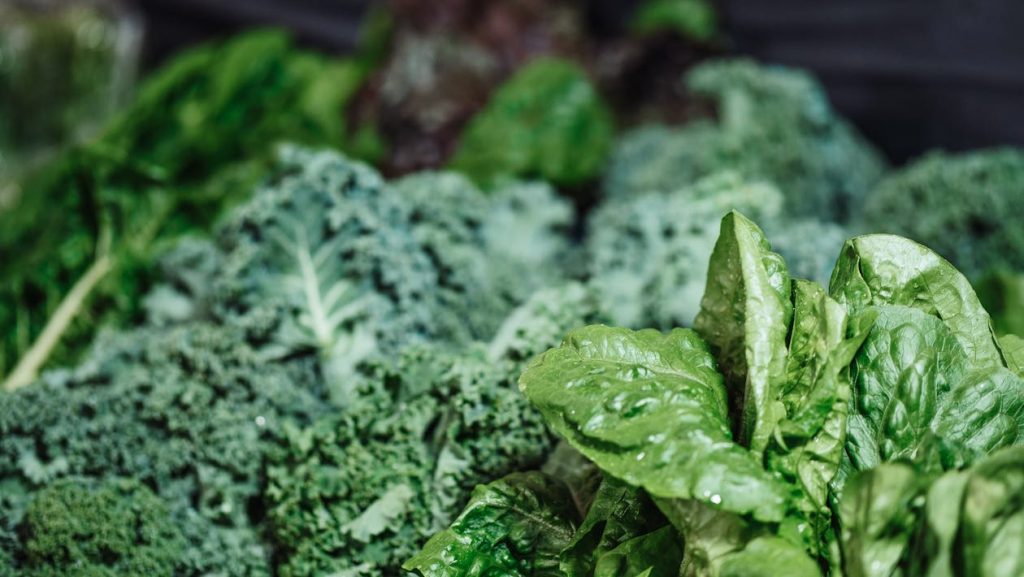
The real magic happens when you combine them with other vitamin D sources.
I found that simply throwing raw spinach into a salad isn’t always the best approach. Cooking these greens can help your body absorb nutrients more effectively. My early days of nutrition have me experimenting with different types of salad. While somewhat enjoyable, it got boring pretty quickly and raw salads weren’t doing my palette any huge favours.
Here are some game-changing ways to maximize vitamin D from spinach and kale:
- Sauté in a bit of olive oil and often roast your kale with garlic granules
- Blend into smoothies for a nutrient boost
- Steam and add to grain bowls
- Cook your spinach into pasta dishes
- Create nutrient-packed pesto
The nutritional profile of these leafy greens goes way beyond vitamin D. They’re packed with:
- Calcium
- Iron
- Magnesium
- Vitamin K
- Antioxidants
To elevate your vitamin D further, pair your spinach and kale with a small amount of healthy fat. The fat helps your body better absorb fat-soluble vitamins like vitamin D. A drizzle of olive oil or a sprinkle of nuts can make a massive difference in nutrient absorption.
Remember, nutrition is about making smart but delicious choices. I can’t deal with bland food so pairing these foods and ingredients with incredible flavours can bring you closer to optimising your health.
Conclusion
Boosting your vitamin D intake doesn’t have to be complicated or boring.
By strategically incorporating these seven incredible foods into your diet, you can naturally enhance your vitamin D levels and support your overall health.
Remember, variety is key – mix and match these foods, get some sunlight, and listen to your body.
Nutrition is a journey, not a destination.
Consider consulting with a healthcare professional to determine your personal vitamin D needs and create a personalized nutrition plan.