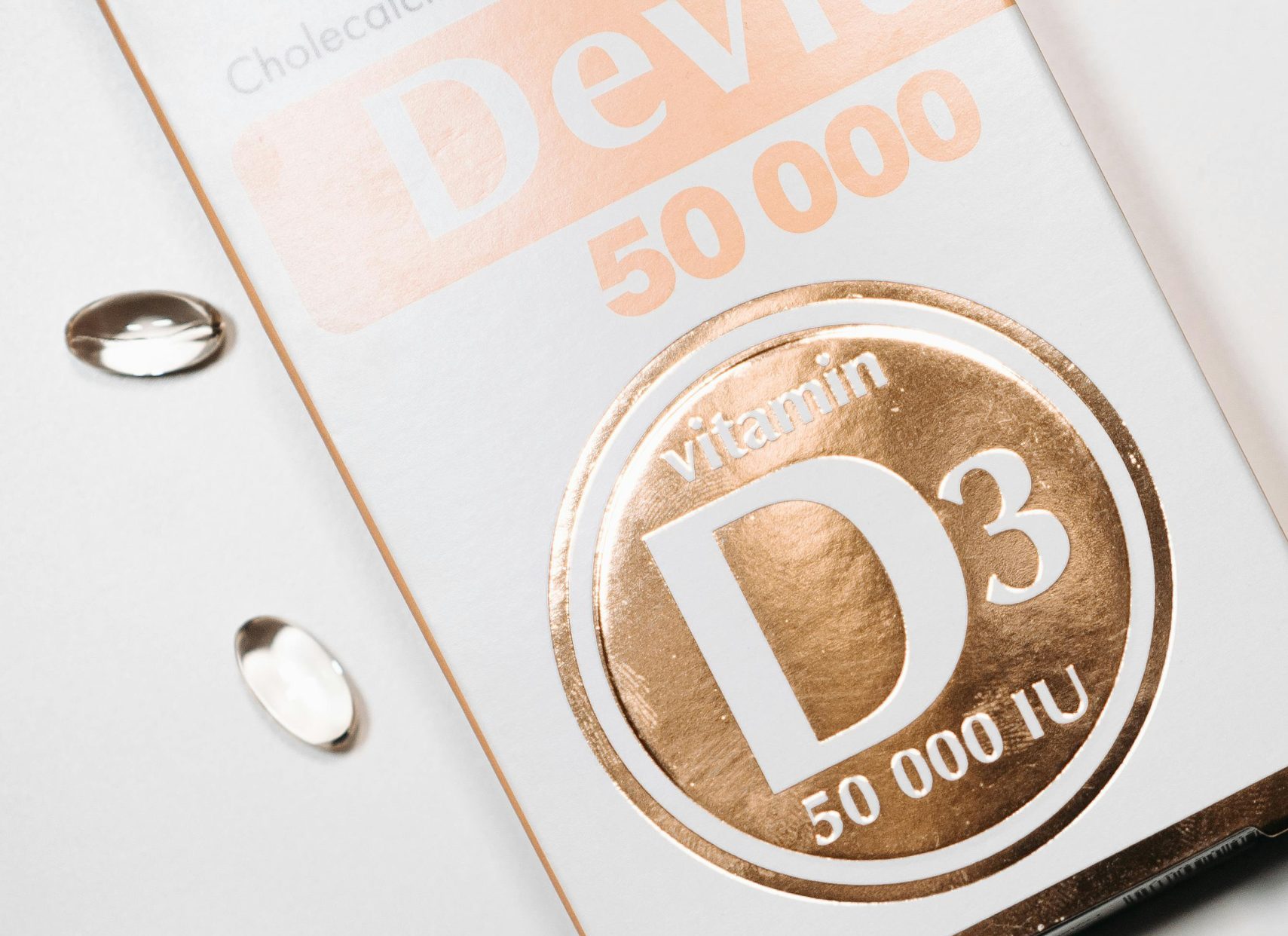
Vitamin D is more than just a simple nutrient – it’s incredibly vital for your overall health!
Did you know that approximately 42% of adults living in the West are deficient in this essential vitamin?
Understanding your optimal vitamin D intake isn’t just a health trend but a necessity. From boosting your immune system to supporting bone health, vitamin D plays an important role in how your body functions.
Vitamin D is way more complex than most people realise. It’s not just about sunlight exposure.
Your body’s vitamin D needs are influenced by various factors from where you live to your skin tone and other nutrient deficiencies.
Get ready to uncover everything you need to know about the recommended daily intake of vitamin D!
Understanding Vitamin D: More Than Just a Vitamin
Let me tell you, vitamin D is the big boss of nutrients – It works behind the scenes in ways you’d never imagine.
Most people think it’s just about strong bones, but that’s like saying a Swiss Army knife is just for cutting. This vitamin is a total badass!
Technically, vitamin D isn’t even a true vitamin in the traditional sense but a pro-hormone that your body can produce when sunlight hits your skin.
There are two main forms of vitamin D which are vitamin D2 (Ergocalciferol) and vitamin D3 (Cholecalciferol).

D3 is what your body naturally produces and is the most effective at raising your vitamin D levels. In contrast, D2 is also produced in the body, but it’s not as effective as D3 in absorption, raising levels, and providing benefits.
Here’s a mind-blowing fact: every SINGLE cell in your body has a vitamin D receptor! That means this nutrient is involved in way more than just bone health. We’re talking about immune function, muscle movement, nerve communication, and even how your body fights inflammation.
I used to think vitamin D was just something for people that didn’t get enough sunlight but after diving deep into the research, I realised it’s critical for everyone.
A friend of mine used to work night shifts and barely saw sunlight. He discovered his chronic fatigue was directly linked to severe vitamin D deficiency. Talk about an absolute game-changer!
How does your body use this nutrient? When sunlight touches your skin, your body transforms a type of cholesterol into a precursor of vitamin D. Afterwards, this precursor travels to your liver and kidneys, where it’s converted into the active form your body can use.
Key takeaways:
- It’s technically a pro-hormone, not just a vitamin
- Your body can produce it naturally through sun exposure
- Two main forms exist: D2 and D3
- Every cell in your body has a vitamin D receptor
- It plays a crucial role in multiple body systems beyond just bone health
Bear in mind that not all vitamin D is created equal. D3 is significantly more effective at raising and maintaining vitamin D levels than D2. If you’re considering supplements, look out for Vitamin D3!
Official Recommended Daily Intake Guidelines
Navigating the recommended daily vitamin D intake is like solving a puzzle. Unfortunately, there is no one-size-fits-all solution.
Different health organisations seemed to be aligned on the intake for adults as shown in the table below:
| Organisation | Adults |
| U.S. NIH | 15 mcg / 600 IU |
| Canada (Health Canada) | 15 mcg / 600 IU |
| UK SACN | 15 mcg / 600 IU |
The numbers above are just the minimum to prevent deficiency. Many experts argue that optimal levels are much higher. Some health professionals, especially functional medicine practitioners, recommend much higher daily intakes. Other professionals suggest 1,000-2,000 IU daily for most adults, with certain professionals recommending even more.
While there are general guidelines, factors like your geographical location, skin tone, weight, and overall health can dramatically impact your individual needs. Someone living in sunny Spain will have different requirements than someone in England during winter.
Factors Affecting Your Vitamin D Requirements
Vitamin D intake has many factors that can make each individual’s needs unique.
Geographic location is a massive player in this game. If you’re living in England, you’re working with vitamin D on hard mode. Those long, dark winters, aye? They’re vitamin D’s kryptonite.
Someone living in Spain gets significantly more sun exposure. This means natural vitamin D production is like a well-oiled machine.
Skin pigmentation is another factor. People with darker skin have more melanin, which acts like a natural sun barrier. While that’s great to prevent sun damage, it also means less vitamin D production. My darker-skinned friends need about 3-5 times more sun exposure to produce the same amount of vitamin D as someone with lighter skin.
Age throws another spanner into the mix. Our skin becomes less efficient at producing vitamin D as we get older. People over 50 might need almost double the vitamin D intake compared to younger adults.
Other critical factors:
- Body weight and metabolism
- Existing health conditions
- Medications that impact absorption
- Lifestyle and sun exposure habits
- Dietary restrictions
- Genetic predispositions
Pro tip: If you’re carrying extra weight, you might need more vitamin D. Fat cells trap vitamin D, making it less available to your body.

Signs of A Vitamin D Deficiency
Nobody wants to play detective with their health, but recognising vitamin D deficiency is crucial. People often learn this the hard way after years of feeling constantly tired and achy.

Common symptoms of low vitamin D:
- Persistent fatigue
- Bone pain and muscle weakness
- Mood changes, including depression
- Impaired wound healing
- Hair loss
- Increased susceptibility to infections

Certain groups are at higher risk:
- Older adults
- People with limited sun exposure
- Individuals with darker skin tones
- People with obesity
- Those with certain digestive disorders
Something to be aware of: Chronic vitamin D deficiency can lead to serious health issues like osteoporosis, increased risk of cardiovascular disease, and compromised immune function. This isn’t just about feeling a little tired – we’re talking about long-term health impacts!
How to Optimise Your Vitamin D Intake
Natural sources should always be the main focus. Sunlight exposure is the most powerful and diet plays a crucial role too.
Top sources of natural vitamin D:
- Mushrooms exposed to UV light
- Fortified foods
- Nutritional Yeast
- Fruits such as bananas, kiwis, papaya, and oranges
- Tofu
- Kale
- Spinach

Supplement strategies:
- Choose vitamin D3 over D2
- Consume vitamin D3 with a fatty meal for better absorption
- Consider liquid or gel capsules for improved bioavailability
- Get your levels tested before starting supplements
Sun exposure tips:
- 10-30 minutes of midday sun on your face and hands, 2-3 times a week
- Expose arms, legs, or back
- Avoid getting sunburnt
- Use sunscreen after initial exposure

Vitamin D Supplementation: Dosage and Safety
Vitamin D levels are gauged through blood tests and are usually measured in nanograms per millilitre (NGs/mL).

The optimal measurement should be between 40 to 60 NGs/mL. This translates to 8,000-12,000 IUs (international units per millilitre). Anything at or below 20 NGs/mL (4,000 IUs) may point to a deficiency.
As various factors affect your ability to absorb vitamin D, it’s important to note that healthy individuals absorb between 60-80%. This means, your body may only absorb 6,000-8,000 IUs if you supplement 10,0000 IUs of vitamin D.
If you listen to your relevant health organisation’s guidance on how much Vitamin D you should be consuming, you may not feel any difference at all.
I’d argue most people won’t feel overly different. For the record, I supplement 10,000 IUs of vitamin d3 each day and my levels are optimal considering my darker-toned skin, cloud-struck location, and relatively young age.
Safety guidelines:
- Too much can cause calcium buildup (vitamin K2 helps prevent this)
- Get blood tests to monitor levels
- Consider consulting with a healthcare professional who understands supplementation. That way, your current levels can be assessed (through your blood test results) and you can be recommended a specific dosage based on your overall health factors.
Conclusion
As vitamin D is a powerhouse nutrient that plays a critical role in overall health, understanding your recommended daily intake and taking proactive steps will mean you can optimise your vitamin D levels to support your body’s most essential functions. Remember, while this guide provides comprehensive information, always consult with a healthcare professional to determine the best approach for your individual needs.